Autumn 2022
Work at the bird observatory during September was dominated by bird ringing, and we had access to staff until 20 September. A total of 4,350 birds were ringed during the year, which is nevertheless lower than normal. This is partly because the ringing site Vallen had been heavily cleared, including areas out in the lake, which significantly reduced the number of birds at that location.
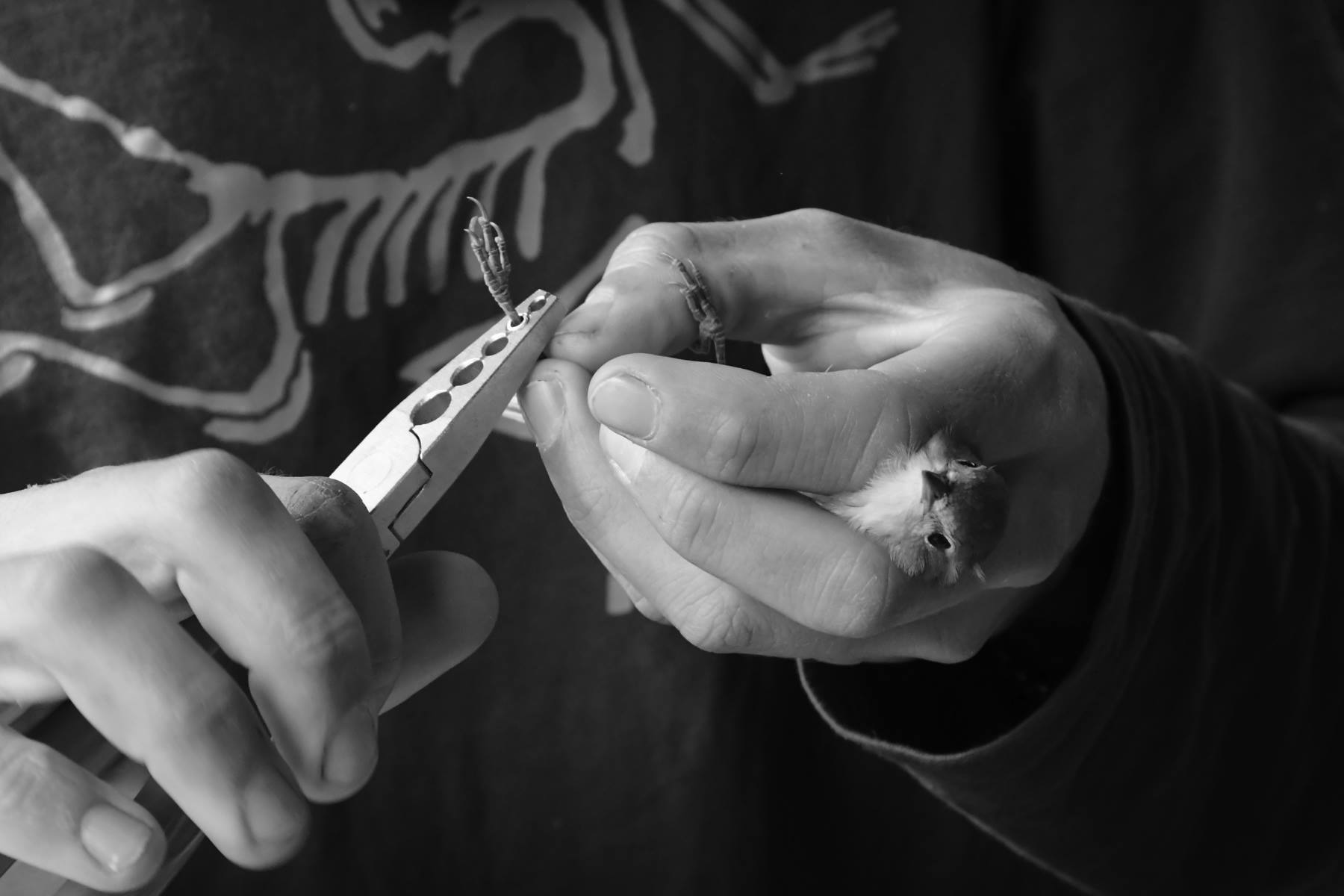
In addition to the regular ringing activities, the Reed Warbler Project once again conducted trapping in the lakes this year. During this work, a considerable number of other reedbed-dwelling birds were also ringed. As usual, the most numerous species were the Sedge Warbler, with 648 individuals ringed, and the Eurasian Reed Warbler, with 778, both in the regular trapping and in the additional reedbed trapping. It was also a good year for the Eurasian Siskin, with 126 birds ringed.
A few less common species were ringed as well: 1 European Nightjar, 2 Common Kingfishers, and 1 European Green Woodpecker, but only 5 Marsh Warblers. Like the geese, cranes have declined sharply during autumn in recent years; this year’s figures are presented in the observations report.
Extensive restoration work has been carried out in several parts of the lakes, and considerable effort is now being devoted to habitat management that had previously been somewhat neglected. We hope these measures will make the area more attractive both to birds and to visiting birdwatchers.
If you are interested in working at the bird observatory next season, you are very welcome to apply through our staff coordinator, Teresa Montràs Janer. More information is available here.