Spring 2024
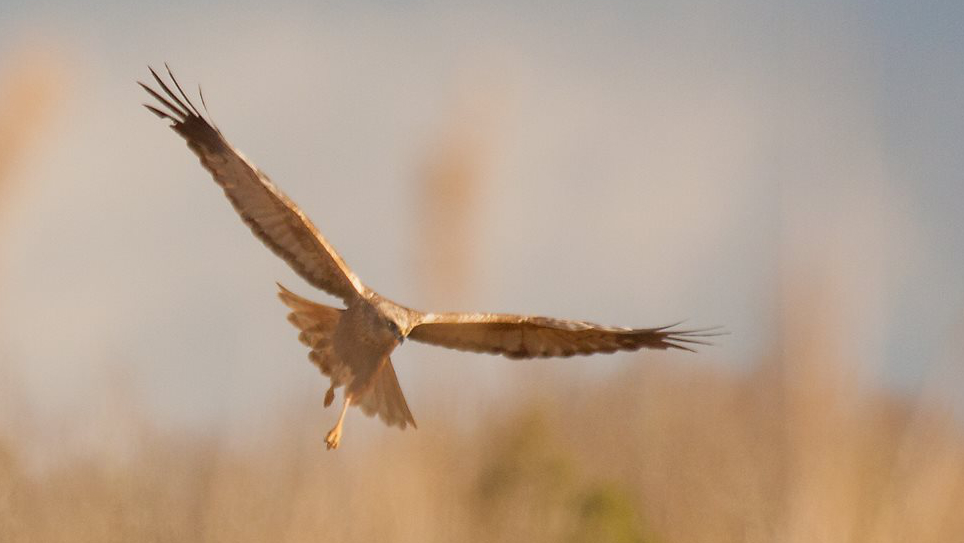
This year, we have had two field workers, Martin and Erik, working throughout the spring. As usual, wetland surveys have been carried out. Black-headed Gulls continue to be numerous, with an estimated population of more than 1,000 breeding pairs, along with a substantial number of Little Gulls, at least 40 pairs. Marsh Harriers also remain abundant, and at least 18 females nested this year. Although this is slightly below last year’s record number, it is still a very high figure.
The beginning of the year has been unusual. There were two spring floods, though not as extensive as those a couple of years ago. They occurred early, and rainfall has been fairly regular throughout the spring. As a result, water levels in the lakes have been close to their maximum, and after several dry years, many wetland species have responded strongly.
In particular, Great Reed Warblers, which we monitor closely through the Great Reed Warbler Study, have been more numerous than they have been for many years. So far this year, 40 females have nested and 35 males have established territories. For the first time in more than ten years, Great Reed Warblers have been singing at Rysjön, although most are still found at Fågelsjön, Kvinnerstasjön, and once again this year at Sörbysjön.
Sörbysjön continues to be the most important site for Savi’s Warbler. This year, up to 10 males have established territories. They are concentrated in a small area, and several are showing behaviour that suggests breeding, making it difficult to determine the exact number.
After Midsummer, the bird-ringing season began, and at present it appears that we will have staff available for the entire season.